
A leading automotive manufacturer’s accessibility and strategy planning department, which focuses on advancing mobility solutions that address varied mobility challenges, sought to identify opportunities to enhance the driving experience for older adults. To support this effort, they engaged the AgeTech Collaborative™ from AARP’s Design Thinking team to explore the needs and perspectives of this population. Together, they explored how age-related changes, particularly cognitive, physical, and sensory, influence every aspect of interacting with a vehicle, from entering and exiting to operating controls and staying confident on the road.
Through a collaborative, human-centered process, the Design Thinking team guided a multi-stage approach to gather insights, identify design opportunities, and generate ideas. The result was a set of forward-looking concepts that support safety, autonomy, and ease of use for an aging population, while maintaining confidence and dignity throughout the entire vehicle journey.
To guide the work and ensure alignment between the client’s accessibility goals and the lived experiences of older adults, the project was anchored in three key objectives:
The AgeTech Collaborative Design Thinking team led a phased engagement to support discovery and ideation:
1. Clue Gathering
The engagement began with an extensive clue gathering phase, which focused on identifying meaningful patterns, signals, and unmet needs related to aging and driving. The Design Thinking team analyzed both qualitative and quantitative consumer research to understand how older adults’ mobility experiences are impacted by all aspects of the aging process.
Primary research sources consisted of comprehensive insights from AARP Research based on national and international data on driving behavior, aging-related impairments, technology adoption, and emerging inclusive mobility solutions. Topics included: cognitive decline and driving safety, interface challenges, autonomous vehicle accessibility, mobility aids, and inclusive public transportation strategies.
Notable sources:
2. Insight Generation Workshop
The Design Thinking team facilitated a collaborative workshop (see Figure 1 below) to synthesize research findings into clear, actionable insights. Using the collected clues, workshop participants identified patterns and key themes affecting older drivers. One high-priority theme, cognitive changes with age, emerged as the most compelling area for focused ideation due to its relevance to both user well-being and future-forward design strategies.
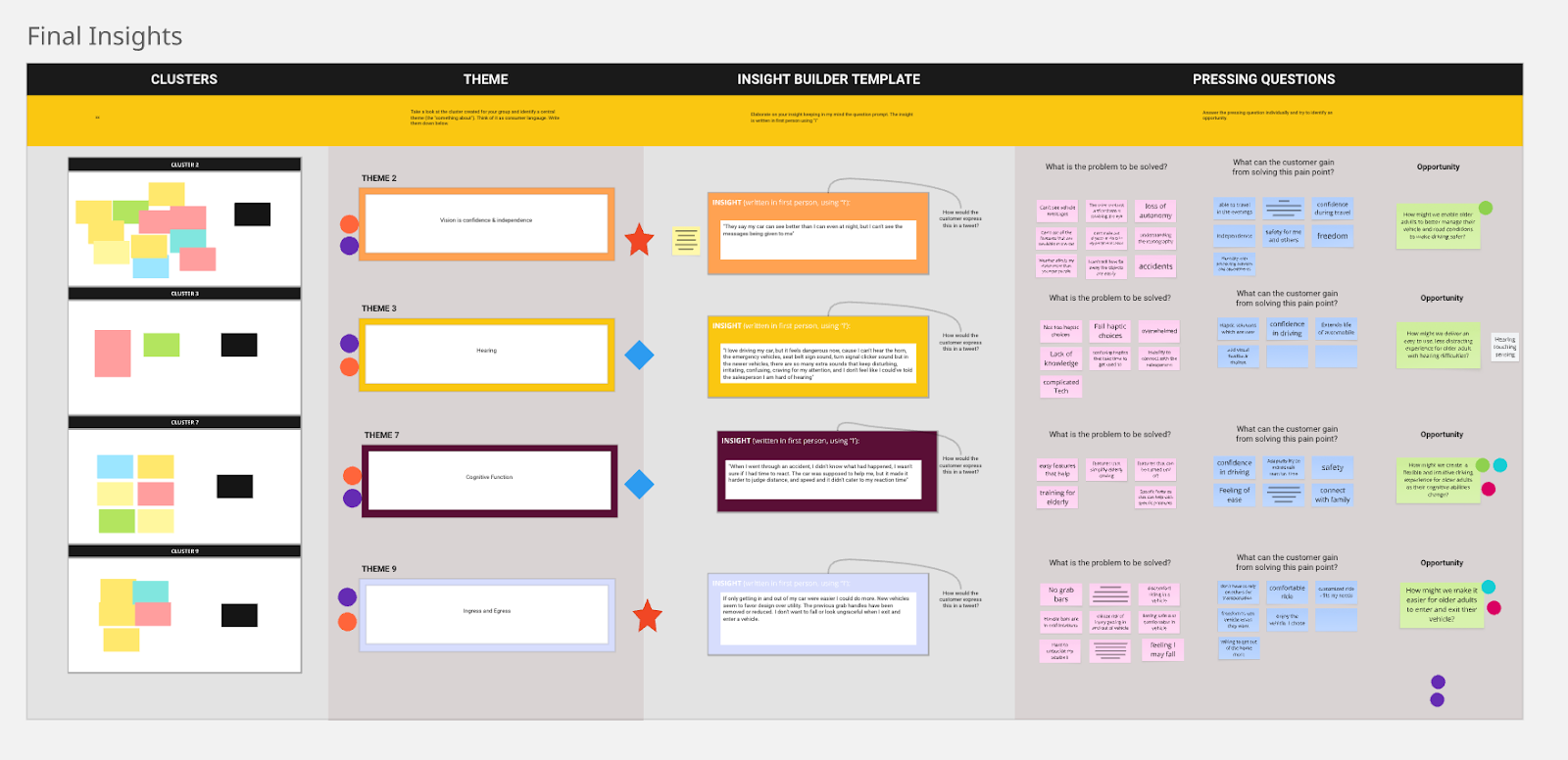
Figure 1: Snapshot of the theme and insight-building process.
3. Ideation Workshop
Building on the selected theme, the Design Thinking team led an ideation workshop centered on the challenge statement: “How might we create a flexible and intuitive driving experience for older adults as their cognitive abilities change?”
Participants used structured ideation methods, such as creative brainstorming and expansive thinking tools to generate and refine ideas. The emphasis was on age-inclusive, human-centered design that addresses both present challenges and anticipates future user needs. The client team identified and prioritized four high-potential solution concepts during the engagement. Each was documented using the AgeTech Collaborative Design Thinking framework, highlighting user needs, the core concept, key features, and future use cases.
This engagement demonstrated the power of human-centered design to unlock meaningful innovation in mobility. By centering on the lived experiences of older adults, the client team gained actionable insights and co-developed four high-potential concepts that can support older drivers as they navigate changes in cognitive and physical function. Each concept was co-created during the ideation workshop and documented using the AgeTech Collaborative Design Thinking concept framework. Together, these ideas offer practical, inclusive solutions that reduce cognitive load, enhance ease of use, and promote safer, more intuitive vehicle experiences for aging drivers and passengers. The concepts now serve as a foundation for further exploration, prototyping, and inclusive design.